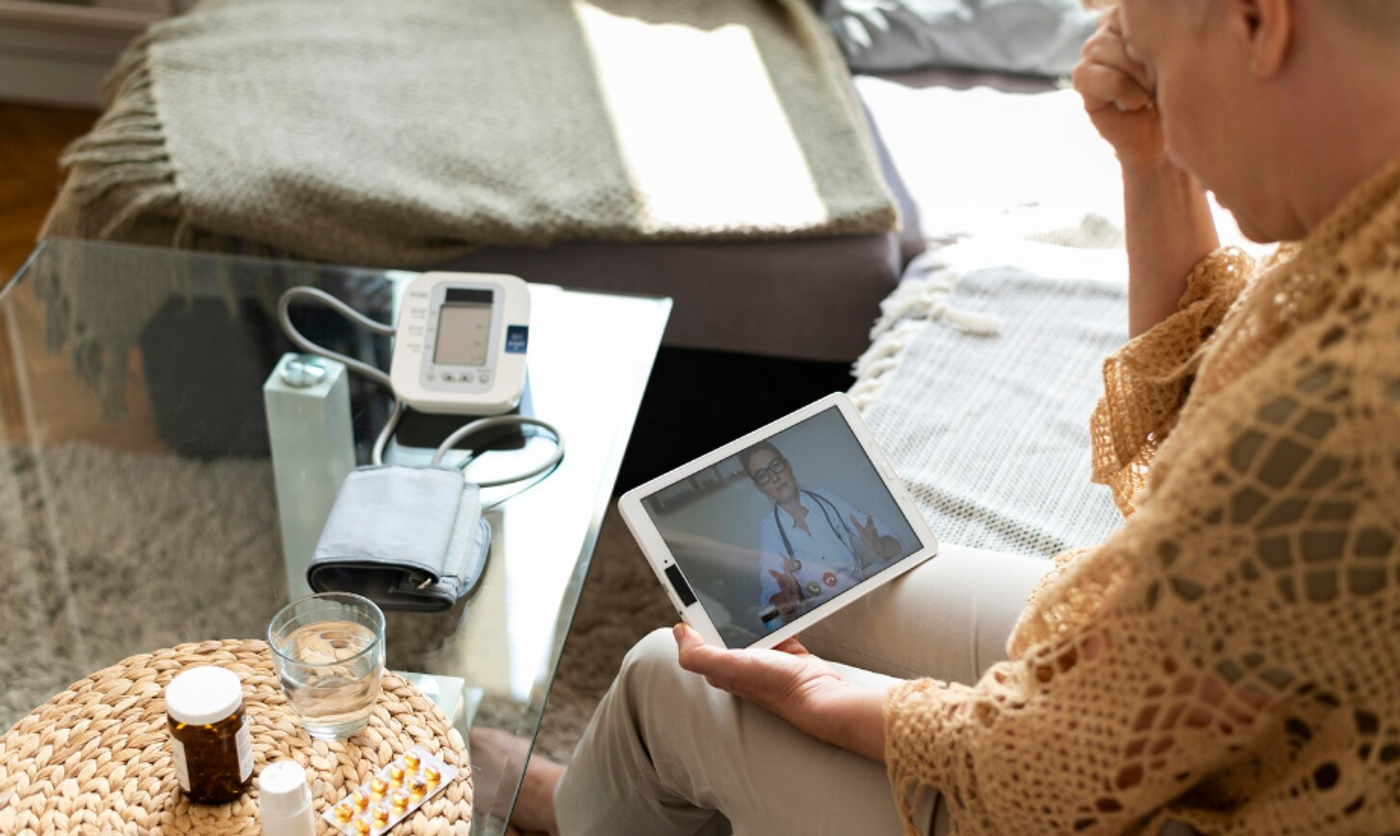
Healthcare is experiencing a massive shift from traditional in-office visits to the comfort of the patient’s home. At the heart of this transformation is remote care management, a system that allows clinical teams to track, evaluate, and support patients from a distance.
With the rapid expansion of the remote patient monitoring market, clinics and health systems are adopting new technologies to improve patient outcomes while lowering overall costs. Whether you are a healthcare administrator, a remote patient monitoring specialist, or a patient wanting to understand modern healthcare, this guide breaks down how remote monitoring works, its key benefits, and how the industry is evolving.
How the Remote Patient Monitoring Market is Evolving
Just a few years ago, tracking patient health outside a hospital was difficult and expensive. Today, the landscape is entirely different. The evolution of remote monitoring hardware has moved the industry from bulky, hard-to-use machines to sleek, everyday tools.
Modern remote health monitoring companies now produce devices that seamlessly connect via cellular networks or Bluetooth, requiring zero technical setup from the patient. We are seeing rapid advancements in:
- Remote blood pressure monitoring devices that instantly send readings to a clinic’s dashboard.
- Wearable sensors that provide continuous remote vital signs monitoring.
- Integrated software where a single remote patient monitoring platform can handle everything from daily vitals to secure patient messaging.
As technology improves, remote patient monitoring software companies are focusing heavily on data security, HIPAA compliance, and creating user-friendly interfaces that even elderly patients can navigate with ease.
The Benefits of Remote Care Management
Implementing a high-quality remote vital sign monitoring system offers incredible advantages for both patients and healthcare providers.
Improved Patient Outcomes: Continuous data collection allows clinical staff to spot warning signs early. Instead of waiting months for an office visit, a sudden spike in blood pressure is caught immediately.
Cost-Effective Care: By preventing emergencies and reducing hospital readmissions, remote monitoring lowers the overall cost of healthcare.
Better Patient Engagement: When patients use a remote monitoring device daily, they become more aware of their own health trends and are more likely to stick to their treatment plans.
Expanded Access: Remote monitoring healthcare companies make it possible for rural or mobility-impaired patients to receive top-tier care without traveling long distances.
A key component of managing long-term health is integrating cost-effective, high-quality chronic care management programs that keep patients closely connected to their care teams without overwhelming their schedules or budgets.
5 Remote Patient Monitoring Best Practices
To succeed, healthcare organizations must follow strict remote patient monitoring best practices.
1. Identify the Right Patients
Not every patient needs a connected device. Focus your remote care management efforts on patients with chronic conditions like hypertension, diabetes, or COPD, as well as those recently discharged from the hospital.
2. Choose the Right Remote Monitoring Equipment
Patient compliance drops if the technology is frustrating. Always supply an FDA-cleared remote patient monitoring device that requires little to no setup. The best remote monitoring equipment transmits data automatically without requiring the patient to download complex apps or pair Bluetooth manually.
3. Establish Clear Clinical Workflows
Your staff needs to know exactly what to do when a remote monitoring device flags a high or low reading. Set up customized alerts and clear escalation protocols so that nurses and clinical coordinators can intervene swiftly.
4. Prioritize Patient Education and Onboarding
A remote vital sign monitoring system only works if the patient uses it. Take the time to educate patients on how to take accurate readings, how the device transmits data, and who to call if they need technical support.
5. Partner with the Right Vendors
The market is filled with remote monitoring companies, so choosing the right partner is critical. Look for a remote patient monitoring vendor that offers comprehensive support. When comparing different remote patient monitoring vendors, prioritize those that provide reliable hardware, seamless EHR integration, and excellent customer service.
Frequently Asked Questions
What is a remote patient monitoring device?
- It is a medical tool—such as a weight scale, pulse oximeter, or blood pressure cuff—that collects a patient's health data at home and electronically transmits it to their healthcare provider for review.
How does remote care management help patients save money?
- By tracking health data daily, care teams can catch potential complications early. This prevents expensive emergency room visits, hospital readmissions, and the need for frequent in-person doctor appointments.
What should clinics look for in remote health monitoring companies?
- Clinics should look for cost-effective pricing, FDA-cleared hardware, seamless software integration, robust data security, and clear patient onboarding support.
Is a remote vital sign monitoring system difficult for elderly patients to use?
- No. Most modern devices are designed specifically for ease of use. They often utilize built-in cellular connections, meaning the patient simply takes their reading and the data transmits automatically without needing a smartphone or Wi-Fi setup.